A Live Guided virtual tour is a viewing held inside a virtual tour: a sales agent and a buyer join the same CGI or 3D tour on a video call, and the agent leads them through it while they talk. It beats a physical viewing when the building does not exist yet, when the buyer is a long way away, or when the decision is shared between people in different places. When the space is finished and the buyer is ready to commit, nothing replaces standing in it.
Imagineer builds CGI virtual tours of buildings before they are built, and Live Guided viewing has been a standard part of its five-year programme with David Lloyd Clubs. This article explains how a Live Guided tour works, where it earns its place in a sales process, where it does not, and what separates a tour that is shown from a tour that sells.
In brief
- A Live Guided tour puts the host and guests inside the same interactive tour, with video and audio, from an ordinary browser link.
- It is most useful before a building opens, for buyers who are far away and for decisions made by several people.
- In our David Lloyd programme, a self-guided visit averages about two and a half minutes; a Live Guided session typically runs 15 to 17 minutes.
- A physical viewing still wins for a finished, distinctive property and at the point of commitment.
What is a Live Guided virtual tour?
Most virtual tours are self-guided: a link on a website that a prospect explores alone. A Live Guided tour turns the same tour into a meeting. The host, usually a member of the sales team, opens a session. The buyer joins from a link, and both are inside the tour together, with each other on camera.
Imagineer builds its tours in 3DVista, whose Live Guided Tours feature works in this way. According to 3DVista’s own documentation, guests join from a browser on a computer or mobile device with no account or registration, while the host runs the session from a computer. Each participant loads their own copy of the tour rather than watching a shared screen, so the image stays sharp, and the host can lead the route, let guests look around on their own or hand over control.
That last point is what separates it from sharing a screen on a video call. The buyer is not watching someone else drive. They can look up at a ceiling, turn back towards a view or ask to see the bedroom again, and the host can respond to what they are looking at.
A self-guided tour answers the questions a buyer has already thought of. A Live Guided tour finds the ones they have not.
When does a Live Guided tour beat a physical viewing?
In our experience, five situations favour a Live Guided session over a site visit, at least for the first viewing.
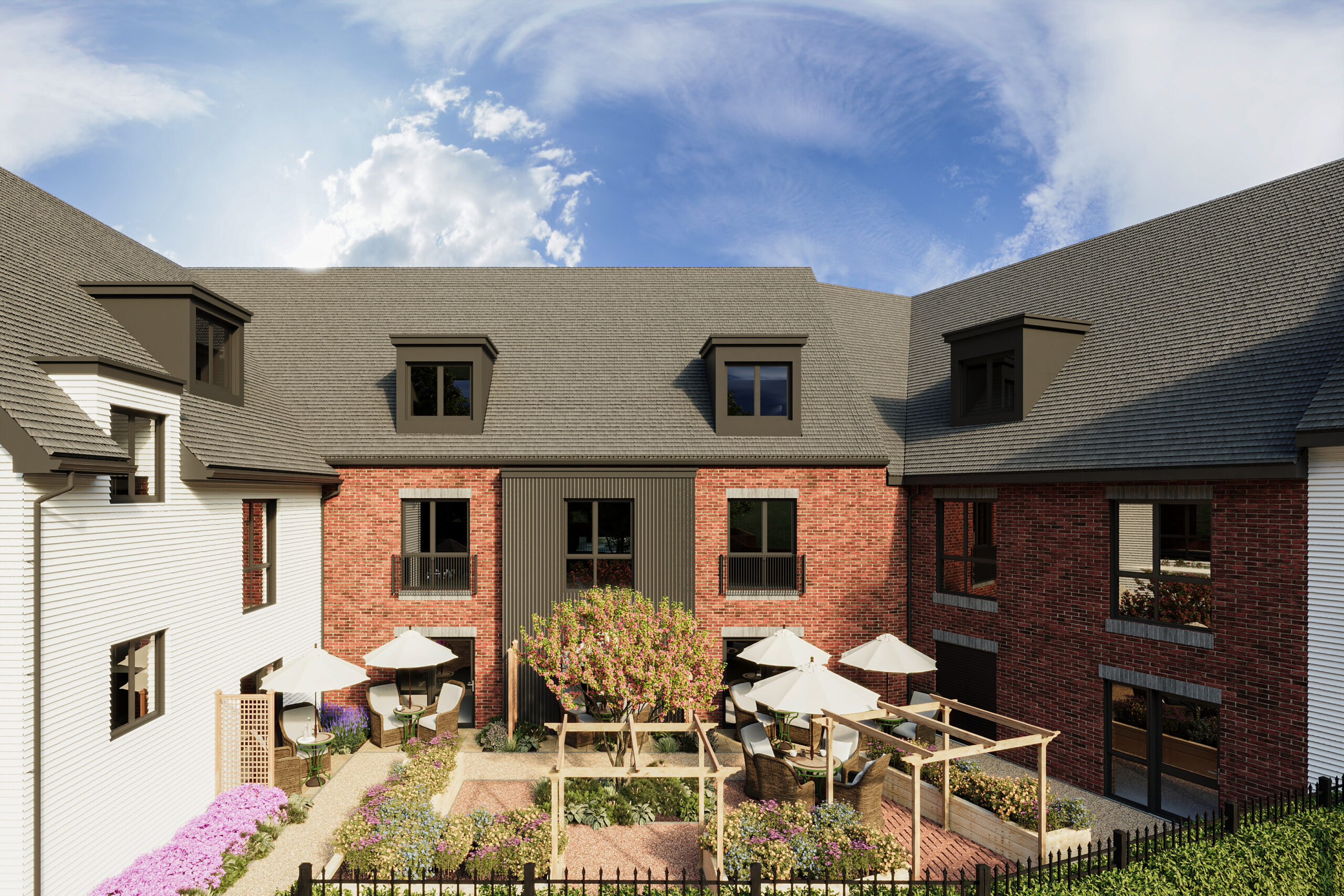
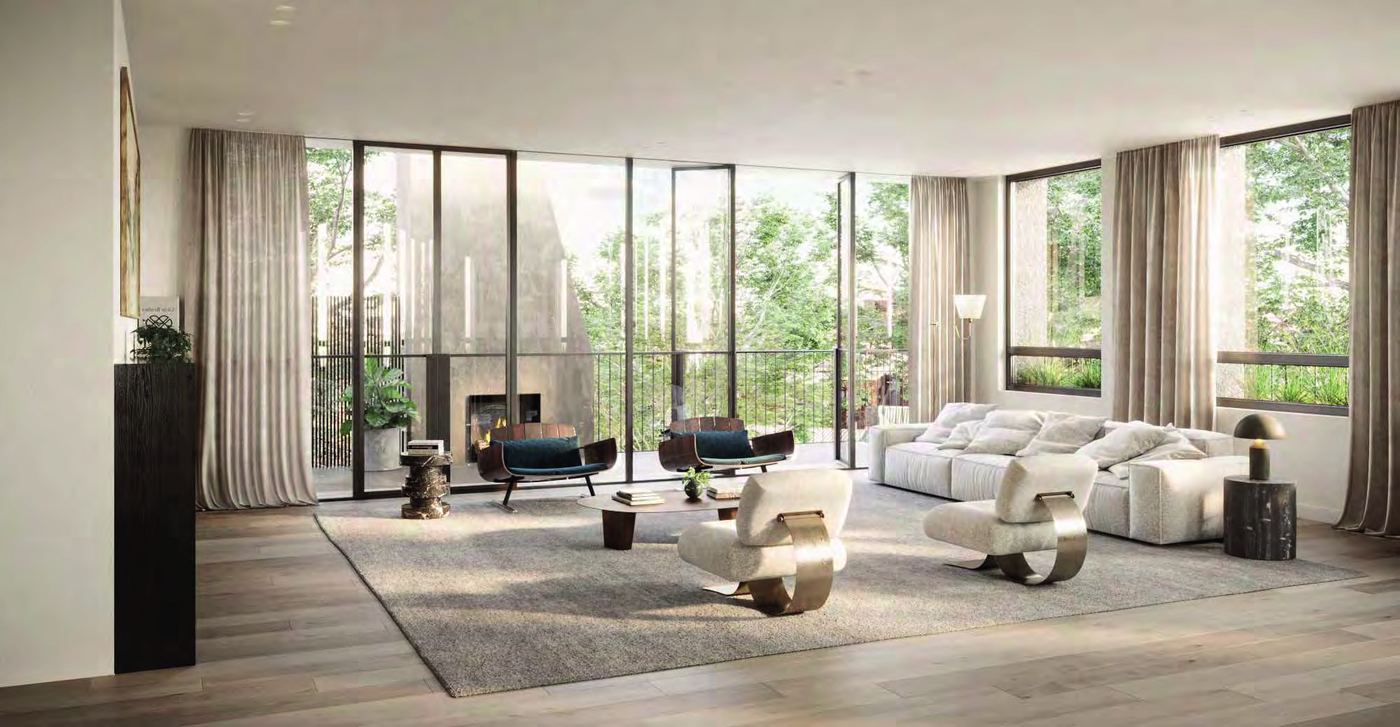
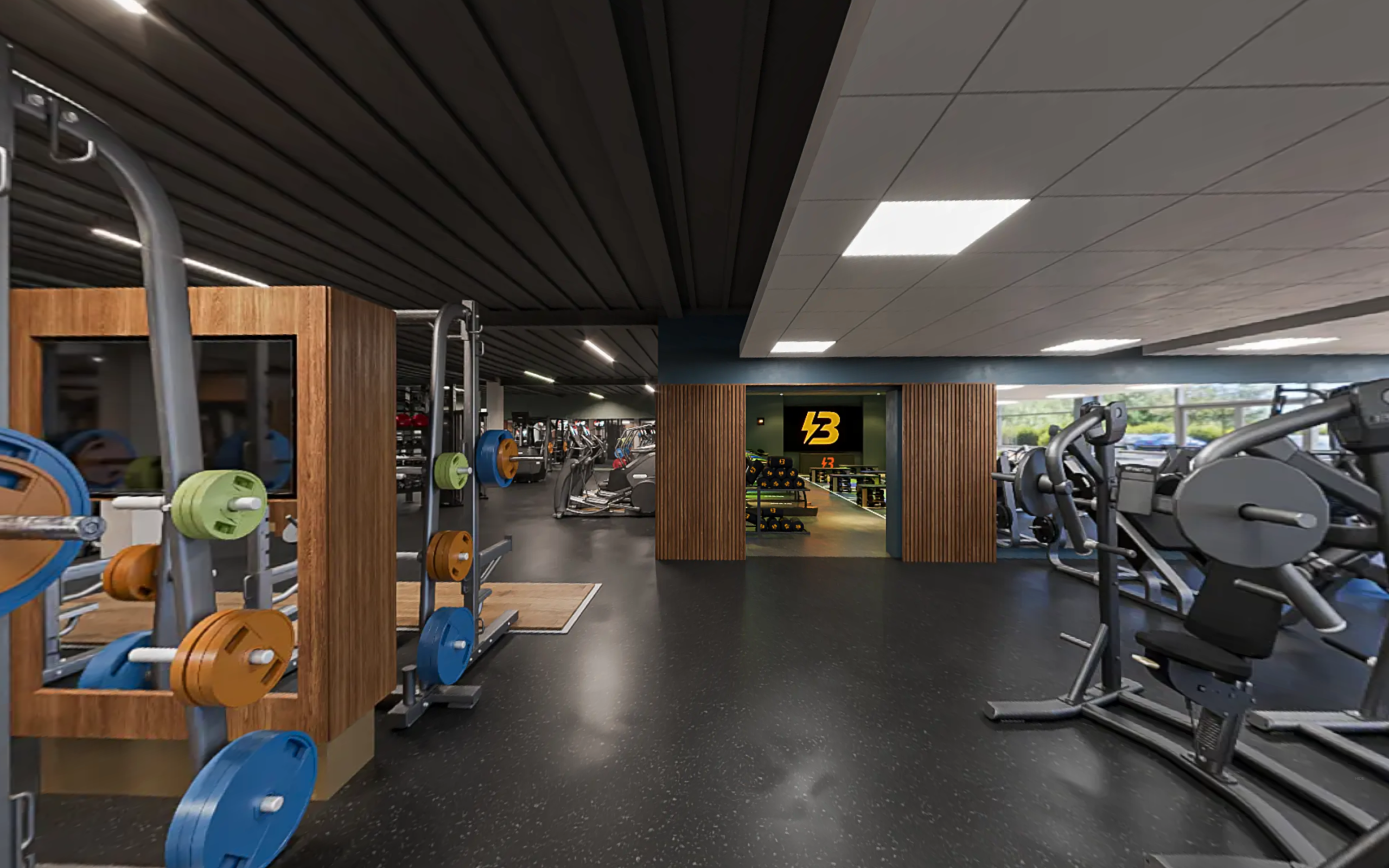
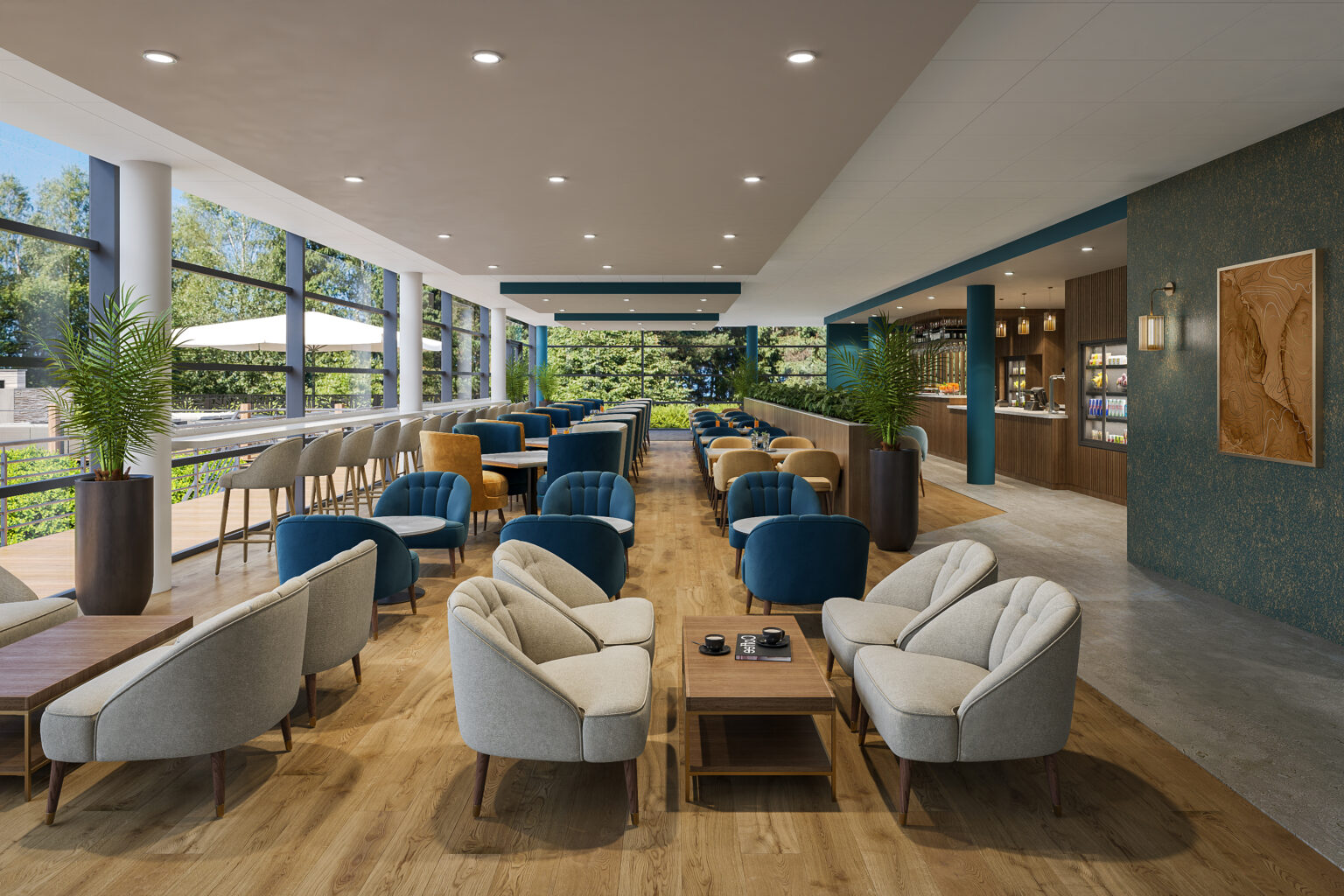
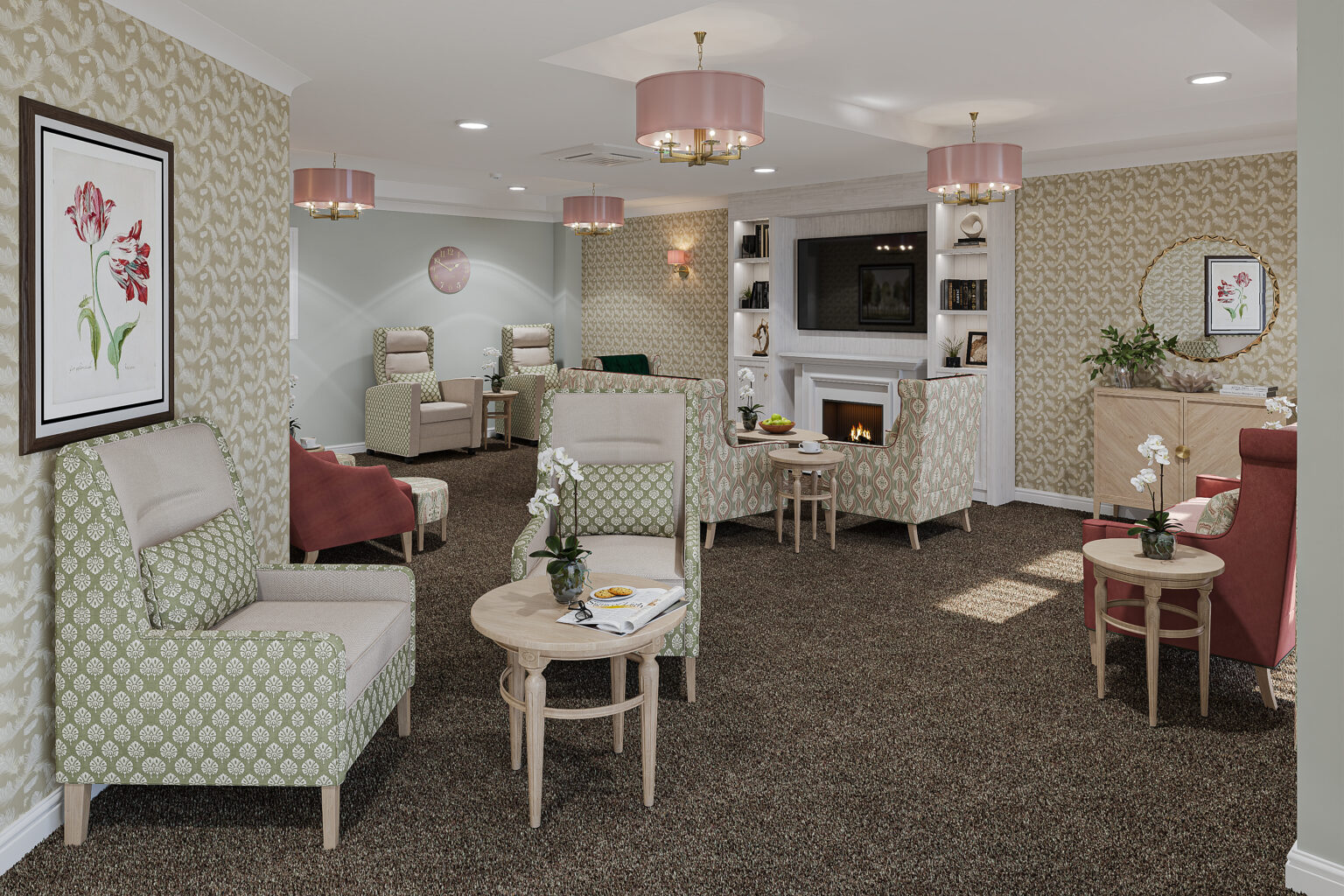
When there is nothing to visit yet. Off-plan homes, new clubs, senior living communities and hotels are often marketed months, sometimes a year or more, before they open. Without a tour, the only viewing on offer is a show suite or a hard-hat walk round a site. A CGI tour built from the architect’s drawings lets the sales team hold a real viewing from the first day of marketing.
When the buyer is far away. Relocating buyers, overseas investors and second-home purchasers may make one trip, if any. A Live Guided session lets them do the first viewing from where they are and save the journey for the decision.
When the decision is shared. A family choosing a senior living community, a couple buying off-plan, an investment committee: the people who decide are rarely in one room. Several guests can join one session, so everyone sees the same spaces and hears the same answers.
When the sales team needs to qualify early. A short guided session tells a sales agent far more about a prospect’s priorities than a brochure download, and tells the prospect whether a visit is worth their time.
When volume matters. On a launch day, a sales team can run session after session without walking anyone round a site.
When is a physical viewing still better?
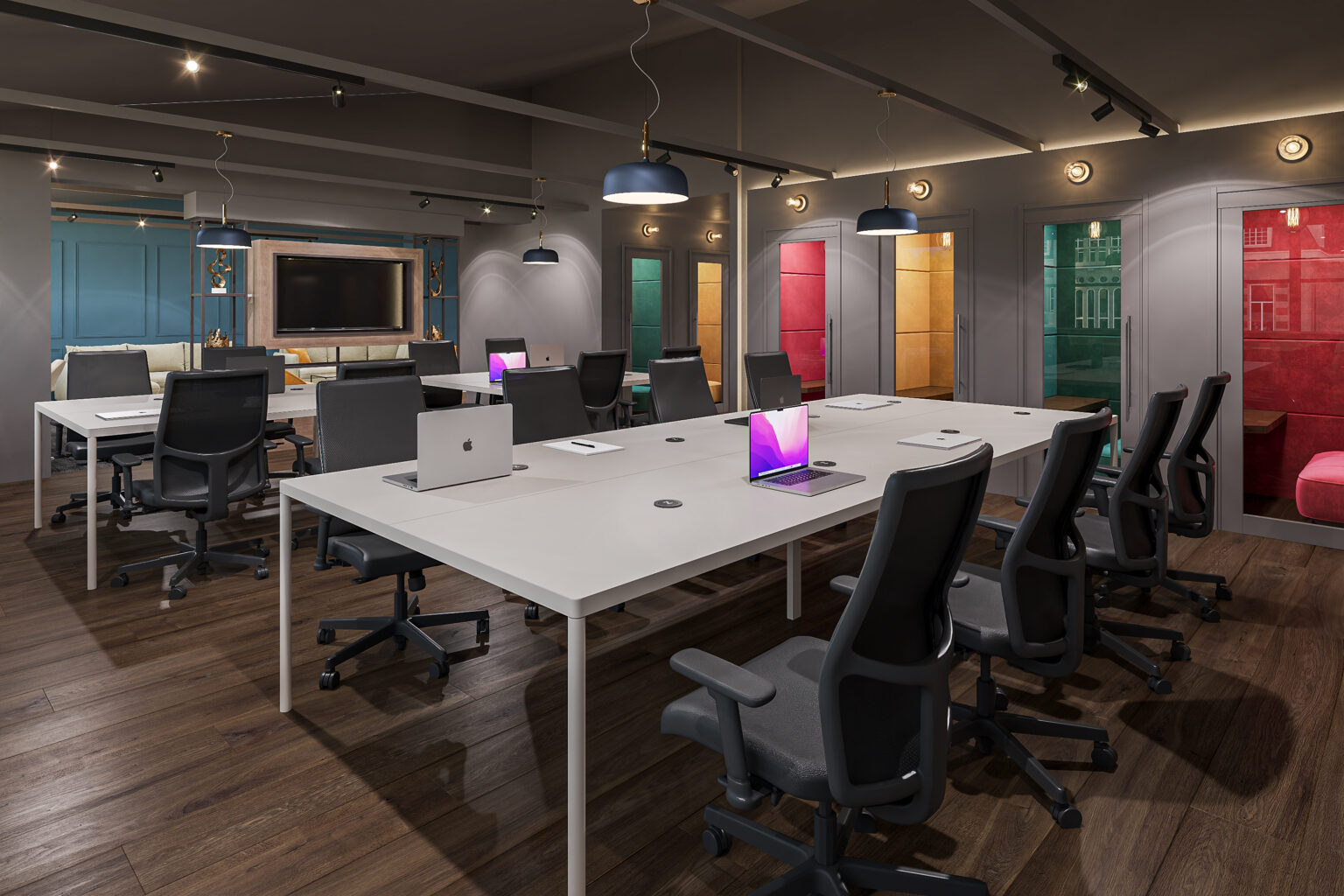
When the property is finished and highly individual. Light, sound, neighbours and the feel of a street are hard to judge on a screen. A study by Miremad Soleymanian and Yi Qian, published as a National Bureau of Economic Research working paper, found that virtual tours had less effect on sale prices for highly differentiated properties.
At the point of commitment. Most buyers will want to stand in the space, a show home or a completed equivalent before they sign. A tour should lead there, not try to avoid it.
When the host is not ready. A Live Guided session is a sales conversation. A host who does not know the product, or the tour, will show it badly, and the buyer will notice.
And a CGI tour shows design intent. Label it clearly as CGI, and keep it in step with design changes.
Why the conversation matters more than the tour
Virtual tours are no longer unusual. The same NBER paper found that homes listed with a virtual tour sold for about 1% more on average, but that the effect has declined over time, particularly since the pandemic, as tours have become standard rather than novel. Simply having a tour no longer sets a property apart.
What does is how the tour is used. Our David Lloyd figures show the difference in attention. Across the programme, the average self-guided visit lasts about two and a half minutes. A Live Guided session typically runs 15 to 17 minutes. They are not the same audience, someone browsing a website and someone who has booked a call, so this is not a like-for-like test. But it shows what a guided session gives a sales team: a quarter of an hour of a buyer’s full attention, inside the product.
120+
3DVista virtual tours
500k+
Tour visits
2.5
Minutes, average self-guided visit
15–17
Minutes, typical Live Guided session
Imagineer’s own project figures for its David Lloyd Clubs programme, not industry benchmarks. Self-guided and Live Guided figures describe different audiences.
Case in point: David Lloyd Shawfair
48
Live Guided viewings on the first day of presales
42
New memberships recorded that day
Two things happened on the same day. We do not have customer-level attribution, so this shows Live Guided viewing working at volume on a launch day, not a conversion rate.
Related articleHow CGI Live Guided tours support premium memberships→
What makes a Live Guided viewing work?
The technology is the easy part. What decides the outcome is how the session is planned and who runs it.
- A host who knows the product
- A planned route through five or six key spaces
- Floor plans and information points in the tour
- Every decision-maker invited
- A short booking step, not a long form
- A clear next step: visit, reserve or apply
At David Lloyd Clubs, Live Guided tours are used consistently across the estate, so membership sales agents work with one familiar format from one opening to the next rather than learning a new tool each time.
The testCould your sales agent run the whole session without mentioning the technology once?
How is a Live Guided tour set up for an unbuilt building?
- Drawings inCAD, DWG, Revit, SketchUp or PDF plans, plus interior schedules and reference imagery.
- CGI tourWe build a hyperrealistic 3D model, render 360-degree views of the key spaces and assemble an interactive 3DVista tour.
- Live GuidedWe enable Live Guided sessions and show the sales team how to host them. Hosts start from a computer; buyers join from a link.
- 2 to 4 weeks from suitable drawings
- Remote delivery
- Browser, tablet or phone
- Multilingual tours available
Lead time is typically two to four weeks after receipt of suitable drawings, depending on the size of the project and the number of spaces. Because the tour is built from drawings, a developer or operator in the United States, Europe or elsewhere can commission one without a site visit.
Related articleOff-plan property CGI: how developers sell before completion→
Frequently asked questions
What is the difference between a Live Guided tour and sharing a screen on a video call?
In a Live Guided tour each participant is inside their own copy of the tour, so the image stays sharp and guests can look around or take control. With screen sharing, guests only watch the host’s screen.
Do buyers need to download an app?
No. With 3DVista’s Live Guided Tours, guests join from a link in a browser on a computer, tablet or phone, without creating an account. The host runs the session from a computer.
Can a Live Guided tour show a building that is not built yet?
Yes. We build the tour in CGI from the architect’s drawings, typically in two to four weeks from receiving suitable information.
How long should a Live Guided viewing take?
Our David Lloyd sessions typically run 15 to 17 minutes: long enough to see the key spaces and talk, short enough to fit into a working day.
Can a developer outside the UK commission one?
Yes. CGI tours are built from drawings and delivered online, so no site visit is needed. Physical capture of existing buildings is available in the UK and Europe.
Selling before you open?
See a Live Guided tour in action
We will run a live session in a CGI tour, as your buyers would see it, and show how your sales team would host it.
Book a 15-minute demonstration
See also CGI Live Guided tours for premium clubs, off-plan property CGI and our architectural CGI renders.